

Sperm Freezing
Freezing your sperm allows you to preserve your fertility and start your family when you are ready.
BOOK A CONSULTATION
Sperm freezing and storage in London
More and more men are preserving their fertility by freezing sperm and utilising it at a later date. By freezing and storing sperm, men can be assured that they have a sample available for use in fertility treatment later in life. While male fertility doesn’t tend to decline with age as predictably as female fertility, preserving a sample earlier in life can provide an alternative to natural conception should it be required.
What are the reasons for sperm freezing?
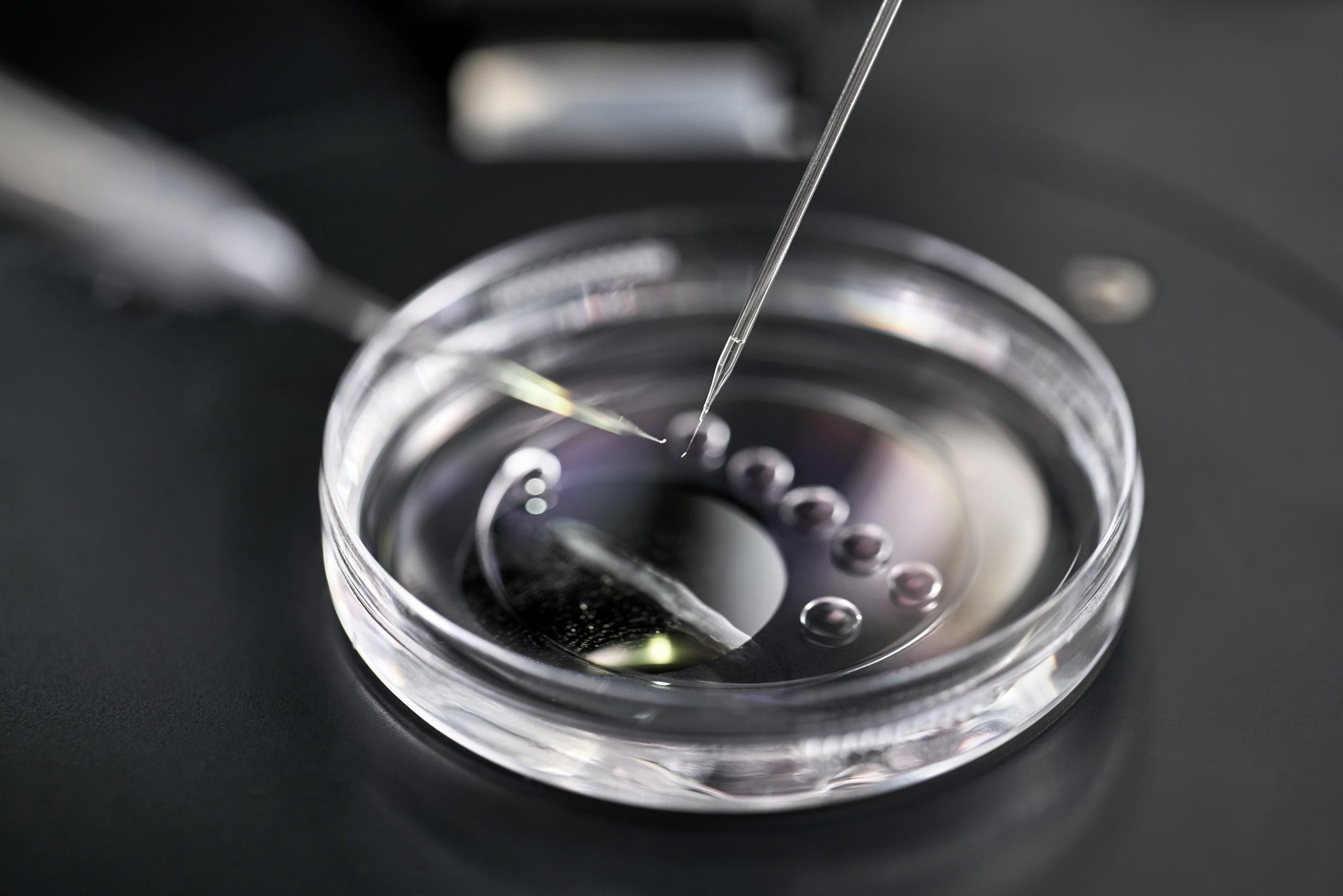
There are many reasons why men may choose to freeze their sperm. It may be as simple as feeling reassured by having a sample safely in storage, or it may be due to upcoming medical treatment or procedures which might negatively impact fertility. Furthermore, transgender individuals may wish to preserve a sperm sample before undergoing hormone therapy or gender-affirming surgeries. Whatever the motivation, sperm freezing offers an easy, effective method of preserving fertility for the future.
How does sperm freezing work?
Freezing sperm is typically a quick and easy process. Our consultants usually recommend first conducting a semen analysis to ensure the sperm being frozen is of good quality. If needed, our consultant can suggest lifestyle improvements to help improve the quality of sperm before repeating the test at a later date. You may also be interested in taking a semen culture test to ensure your sperm is infection-free.
Once you’re ready to produce a sample for freezing, you must abstain from ejaculation for between three and five days before visiting the clinic to produce your sample. Once our andrologists check your sample, it will undergo “ultra-rapid” vitrification and be placed in secure storage. If needed, you can produce more than one sample to freeze the required volume of sperm safely.
Your sample can stay safely frozen for up to 55 years, as long as you complete consent forms every ten years. If you ever decide to use your frozen sample in the future, it will be safely thawed and then ready to use in various fertility treatments, including IVF and IUI.
Book a consultation
Talk to our specialistIf you would like to learn more about freezing and storing your sperm with The Centre for Genetic and Reproductive Health, please get in touch for an initial consultation. We can make the process of freezing sperm a little less daunting for you and take you through what you need to know in a 60-minute video call. Our team are well-experienced in understanding clients’ medical and fertility histories and working towards sperm-freezing goals.
Having taken a detailed medical history, your consultant can assist you in explaining the available fertility treatments and address any queries you might have. Don’t hesitate to contact us or join us for an open evening for more information.
Frequently Asked Questions
The process of sperm freezing
How long can I store my sperm for?
You can keep your frozen sperm in storage for up to 55 years, as long as you complete consent forms every 10 years.
How do I use my frozen sperm?
To use your frozen sperm, you must undergo a fertility treatment like IVF.
Am I guaranteed a pregnancy using frozen sperm?
No; there is no guarantee that freezing sperm will result in pregnancy. You can read about our success rates for more information.
Can you freeze sperm for IVF?
Yes. Utilising frozen sperm for IVF can be as successful as using fresh sperm, although not all sperm may survive the freezing and thawing procedures.
Risks and Costs
Is sperm freezing safe?
Yes. Freezing sperm is 100% safe, and frozen sperm can be used at a later date.
How much does it cost to freeze sperm in the UK?
You can find out more about our costs by visiting our price list.
How much control do you obtain over what happens to your sperm?
You must fill out consent forms prior to starting the procedure, with clauses including (but not limited to) how long your sperm will be stored for, what treatments your sperm will be used for, and what will happen to your sample if you should die or lose the mental capacity to make your own decisions while your sperm is in storage. You can withdraw or modify your consent at any time.
Related Services

Semen Analysis
Semen Culture
Sperm DNA Fragmentation

Male Fertility Assessment
Everyone we dealt with were friendly and helpful and empathetic to the journey we were on
August 2023
We will always be grateful to the clinic for treating us with love and care.
My husband and I were recommended to the clinic via friends who all had positive experiences from a service perspective. We were not disappointed. My consultant Dr Saab was very professional and always gave us advice with compassion and patience whilst keeping us grounded at the same time. The service from our sanographers and nurses was also of a high standard. We were blessed in May with twins and will always be grateful to the clinic for leading us on this rollercoaster of a journey with love and care.
August 2023
I can’t recommend Dr. Sheshadri and the CRGH team enough
I had an amazing experience with Dr Sheshadri and CRGH. After 2 miscarriages without apparent reason, I was devastated and I thought I might need some help. So I decided to go to CRGH and I found that Dr Seshadri was a specialist in recurrent miscarriage. Best decision of my life! On my first consultation with Dr Sheshadri she was super proactive and listened to me attentively. Then, she made an action plan regarding further testing and potential treatments. After the testing we finally found my issue (overactive Natural Killer cells)! Then we had another consultation to put the plan and treatment in motion… and once I was pregnant the nurses took over and guided me through the first 3 months. The whole team was super helpful and responsive whenever I sent questions by email. Fast forward exactly 1 year and 10 days after that first consultation, I was welcoming my baby girl to the world. She is 15 months old now and as healthy as happy as she can be! I can’t recommend Dr. Seshadri and the CRGH team enough. Thank you so much!
August 2023
We remain ever so grateful to Dr Saab and all the CRGH staff.
We can’t thank Dr Saab enough for all his advice and guidance. After having 5 failed cycles in another clinic, Dr Saab’s meticulous expertise resulted in the birth of our son. We remain ever so grateful to him and all the CRGH staff.
August 2023
We received fantastic service from start to finish with the utmost professionalism and genuine care
My partner and I have been trying to conceive for the past 6 years. We were recommended CRGH clinic by our fertility nurse. After doing our own research we felt this was the clinic for us. We received fantastic service from start to finish with the utmost professionalism and genuine care. Everyone that we met at the clinic, from the receptionists to the nurses, doctors and embryologists were so empathetic and supportive throughout our IVF journey. We had a really good experience with Dr. Elpiniki Chronopulou, with her positive yet very calm approach and guidance we were able to make the right decisions based on her expertise. On behalf of my partner and I, we would like to thank everyone at CRGH for their dedication, kindness and respect for what has been a very emotional time. We are not quite there yet, but with the help of CRGH I believe we will. We have had such a positive experience with the clinic that I would definitely recommend them to anyone that is thinking about going through IVF.
August 2023
Your expertise, compassion, and unwavering support have forever touched our lives
Dear Dr Al-Chami, we are overwhelmed with gratitude for the extraordinary role you played in making our dream of parenthood a reality. Your expertise, compassion, and unwavering support have forever touched our lives, and we cannot thank you enough.
For years, we struggled with the challenges of endometriosis and the heartbreak of failed attempts to conceive. But from the moment we stepped into your clinic, we knew that we were in the best hands possible. Your genuine care and understanding gave us renewed hope and strength.
You took the time to address all our concerns, patiently explaining each step of the process, and guiding us with utmost dedication. Your attention to detail and personalized approach to our unique situation made us feel truly cared for, like more than just patients – you treated us as people on a deeply personal journey.
August 2023
We welcomed our son after the first attempt with CRGH.
After having being unsuccessful in previous attempts at another clinic we were delighted to have a tailor made treatment plan from Mr Theodorou that took into account the challenges we faced before. We welcomed our son after the first attempt with CRGH. I would highly recommend this clinic for their expert medical knowledge and giving us the best chance possible to become parents.
August 2023
Highly recommend CRGH and Dr Seshadri
I’ve delayed writing this, wanting to get further along in our pregnancy “just in case”. I’m now almost 28 weeks in my first pregnancy and I truly feel that it is down to your evidence based guidance, and faith that you would be able to help us. We felt seen, heard and taken seriously throughout and that you (Dr Seshadri) really had our best interest and best outcomes at heart. We were completely shocked that our first transfer worked and that every call or prediction you made, seemed to be right every time.
So whilst, we aren’t at the end of the road yet, I did want to take this moment to say thank you. And whilst we don’t know what the future holds in terms of siblings, if we do decide that’s what we want, we will surely be in touch!
Highly recommend CRGH, having been with a cheaper clinic, in this you absolutely get what you pay for.
July 2023
Amazing service provided by CRGH
Such an amazing service provided by CRGH. Also, Dr Duran was very supportive and I would recommend her for anyone undergoing any treatment at CRGH.
July 2023
A best-in-class experience with CRGH
A best-in-class experience with CRGH to freeze eggs, resulting in better than hoped for results and an stress-free and painless experience. I felt taken care of by a team that was empathetic, human and experts in their fields. Everyone worked seamlessly to monitor my progress and tailor my treatment to exactly how my body was responding and what I needed personally. Dr Saab who took the time to explain everything with a smile and who cared about my success.
July 2023
We are ever so grateful for all their care, professionalism and empathy
I can’t recommend highly enough Dr Duran and the team at CRGH. Considering my age, 46, they have performed a miracle! We are now 11 weeks pregnant. We are ever so grateful for all their care, professionalism and empathy and in particular those of Dr Duran.
July 2023
They went above and beyond to check everything to bring peace of mind
I’m now happily pregnant after my first frozen embryo transfer attempt at CRGH and couldn’t be happier. My consultant Dr. Saab was so lovely and attentive all the way through and the care and attention I got at the clinic was consistent. They went above and beyond to check everything to bring peace of mind. I’m 39 now and have more embryos in the bank so will definitely be returning to CRGH to complete my family
July 2023
I cannot recommend CRGH enough
I came today for egg extraction, literaly typing this in recovery. The moment you walk in the receptionist was so friendly. The nurses and health care assistants were plentiful and very responsive, and anaesthetist was very warm and reassuring. When you go in to the theatre there were loads of people all there to just look after you. I had barely any sedation due to my BMI and honestly it was so easy and never painful, just mildly uncomfortable at times. A particular mention deserves to go to the doctor carrying out the procedure, I have experienced many doctors that do not have a good bedside manner, but I was shocked at how caring the doctor was, and he did a fanatastic job extracting a large amount of eggs with no issues. I cannot recommend CRGH enough, and I would absolutely write about issues if there were any, but there honestly was not.
July 2023
Thank you Dr Saab and CRGH for a healthy and beautiful son
I was told by a previous fertility clinic that I would not be able to have children. I changed to CRGH due to their reputation and HFEA results and reviews. After one IVF and on second transfer at CRGH I become pregnant and gave birth to a healthy and beautiful son. Dr Saab and the team were always available to answer our questions and explained everything thoroughly and clearly and to change treatment when required. I would not hesitate to recommend this clinic, particular Dr Saab. Thank you.
July 2023
Really recommend this clinic
I am now holding my 3 month baby girl after having my transfer here last year. Really recommend this clinic. Great doctors and team.
July 2023
The expertise and support at this clinic was really good.
The expertise and support at this clinic was really good. The doctor listened to my specific case and discussed options openly and honestly, with no pressure to accept. In the end I conceived naturally just before we started treatment so did not use the clinic, but the initial stages were very positive.
July 2023
The whole team was very friendly and efficient
Incredible experience at CRGH. After 2 failed retrievals at clinics elsewhere, I had a successful retrieval, implant and I’m now holding my 2 month old.
The whole team was very friendly, efficient and left me feeling very confident. Phone calls were always answered, or responded to within the hour.
A special thanks to Dr. Saab, who explained everything he did thoroughly and didn’t have me feeling like he was trying to upsell me on treatments/drugs/tests that he didn’t feel I need.
July 2023
The team at CRGH is very professional
My personal experience with Dr Srividya Seshadri was outstanding. I came to her after a poor experience at another clinic, and she provided me with a clear explanation of the treatment options and asked me relevant questions to develop a more personalised treatment plan.
Thanks to Dr Seshadri’s knowledge and expertise, I had a significant improvement in my egg count and embryo quality in comparison to my previous IVF cycle.
Despite some early miscarriages, Dr Seshadri was persistent in finding the right protocol for me. She took the time to listen to my concerns, recommended the best course of action, and ensured that I felt comfortable throughout the entire process. The team at CRGH is very professional, and while waiting times can be long, they are definitely worth it. They are always willing to answer any questions or concerns and provide reassurance during a stressful time. I am now 4 months pregnant with a healthy baby boy.
July 2023
CRGH brought us the successful outcome we have long awaited
Thanks to the efforts of Dr Theodorou, we have a happy, healthy baby boy. The insight and judgement, allied with his patient approach, brought us the successful outcome we have long awaited. Thank you!
July 2023
I experienced utmost kindness and empathy
We received fantastic care from Dr Al-Chami and team at CRGH. I experienced nothing but the utmost kindness and empathy from every member of staff we encountered. Dr Al-Chami went above and beyond to help me feel relaxed about the process, and was very diligent in monitoring my care. We are now 10 weeks pregnant.
July 2023
Dr Niki made us feel cared for and reassured us
We are very grateful to CRGH and especially Dr Niki Chronopulou for helping us finally achieve our dream ( we are 11 weeks pregnant with twins!). It was undoubtedly one of the most challenging journeys in our life so far, but Dr Niki’s expertise, calm and positive approach, and all round humanistic approach , made us feel really cared for and reassured. Unfortunately our first two transfers didn’t work, and we were down to our final attempt and Dr Niki put herself forward to do the final transfer herself – and it worked and we now have twins. Thank you Dr Niki!! And also thank you Lisa Lawrence (Dr Niki’s secretary) who was always helpful and very patient with us.
July 2023
We are extremely grateful to Dr Saab and CRGH
We moved to CRGH after having unsuccessful treatment at a different clinic. Dr Saab is knowledgeable and professional from the start and really made us feel like he could help and wanted us to succeed. All questions were answered promptly and we felt reassured we were in good hands. Our first transfer with CRGH was a success and I am currently sitting with our 6 day old little girl! Something we never believed would happen after 4 years of infertility and losses along the way.
We are extremely grateful to Dr Saab and CRGH for making our dream come true. Thank you.
July 2023
The level of care at CRGH was outstanding
We had PGD due to a genetic condition that I didn’t want to pass on. The level of care at CRGH was outstanding. You did need to be on top of appointments but they generally told you when to book them so you didn’t need to wait long.
We were very lucky and it worked first time for us. We still have a few eggs in the freezer which I hope we will be able to afford and use in the near future.
Thankyou to all the team for helping me have a brca free child.
Thank you to the whole team for their kindness and professionalism
I highly recommend the services of Dr. Al Chami and the CRGH Clinic. I dealt with several clinics during my PMA course, this is where I met the most competent medical staff. I repatriated my frozen oocytes to CRGH in Spain 5 years ago. Thanks to Dr Al Chami I am now 15 weeks pregnant. I am infinitely grateful to him, this pregnancy and this baby to come is a true miracle! I had a treatment adapted to my case, more important than in the previous clinics and which worked. Thank you to the whole team for their kindness, their professionalism and above all for having changed my view!
April 2023
Thank you for making my dream come true
My daughter Miya was born on 7 November 2022.
Thank you so much for making my dream come true, I had started to give up hope after many failed attempts but decided to try one last time with the last embryo I had with the clinic.
A huge thank you to Dr Ozturk and to the entire team at CRGH who made this possible. It took several attempts over more than 2 years but it eventually paid off thanks to the dedication of Dr Ozturk.
April 2023
Thanks to Dr. Chami for his vital decisions
A big thank you to CRGH. We finally succeeded last month after many attempts. Especially thanks to Dr. AI-Chami for his vital decision in our last cycle that leads to the success to get our dream fulfilled. We cannot describe the happiness feeling deep inside of seeing our baby’s heartbeat first time on the monitor, all the efforts these years are worth it at that moment. thank you to everyone in CRGH.
April 2023
Incredibly helpful, knowledgeable and patient
Dr. Saab and his team were incredibly helpful, knowledgeable and patient in our fertility journey. We always felt listened to and appreciated his thorough explanations of all of the procedures. We are expecting our baby in a few months’ time and are so grateful for Dr. Saab’s invaluable help in getting us there, as well as all the amazing nurses and embryologists at CRGH.
April 2023
Impressed with the tailored approach
I had a very good experience with CRGH. I was particularly impressed with the tailored approach to my treatment and the expert knowledge and advice I received throughout. Dr. Cardenas and Dr. Duran made exactly the right suggestions and provided the latest evidence on so many aspects of my treatment.
April 2023
To anyone who is looking for honest feedback and realistic approach
When I started looking for a clinic to help me conceive my first baby with my own eggs at age of 43, I was very soon convinced by CRGH and my consultant Dr Al-Chami, I really liked his approach. He had tailored a plan that made perfect sense to me, with suggestions I hadn’t thought about to maximise my chances. And here I am a few months later, after 2 rounds of IVF and 1 embryo transfer, I am now 6 months pregnant with a baby girl. I would really recommend CRGH and Dr Al-Chami to anyone who is looking for honest feedback and realistic approach.
April 2023
Dr Theodorou was a balance of honesty, knowledge and kindness
After three years of secondary infertility we had a much longed for baby boy in July via IVF and we’re so grateful to Dr Theodorou and the lovely team at CRGH who gave us such good care along the way. Dr Theodorou was a great balance of honest, knowledgable and kind setting out all the facts and options, adjusting plans when needed and encouraging us to mull things over and ask questions.The appointments and medication regime was always well organised and I felt in safe hands throughout, even during Covid times.
April 2023
Clear, sensitive and effective
April 2023
Dr Sheshadri gave thorough and reasoned advice
Our experience at CRGH was excellent. Dr Seshadri, gave extremely thorough and reasoned advice backed up by recent academic studies that made us fully informed about our medical situation. Her knowledge and timely advice have meant real results. The secretaries and nurses at CRGH have also been amazing, responsive, experienced and easy to deal with. We can’t recommend CRGH enough.
April 2023
Dr Ali never gave up and helped us throughout
I would definitely recommend CRGH. All the staff were friendly and supportive. Our consultant was Dr Ali who helped us along our very complicated journey and never gave up. He was honest with the outcomes and the options we had and am pleased the say we have the safe arrival of our little girl. Thank you CRGH
April 2023
Care at CRGH was excellent at every point
I found the care at CRGH excellent at every point. There was the right level of monitoring (enough to know they’re on top of it but not so much that you’re stressed out with needless appointments). All the team are really caring and communicate very sensitively and informatively. Our little boy is the end result! We cannot thank them all enough and I highly recommend this clinic.
April 2023
Thank you Dr Al- Chami and CRGH for our children
We started our journey with CRGH over three years ago after a number of failed cycles with another clinic. Our consultant Dr Al-Chami helped to devise our treatment plan, he was always available and reassured and supported us every step of the way. This resulted in a baby boy Teddy being born in 2020 and recently in Dec 2022 we welcomed the birth of our daughter Emma. We would also like to thank Dr Duran for the embryo transfer. Thank you again Dr Al-Chami and CRGH for our children!
April 2023
The expertise and support at this clinic was really good
The expertise and support at this clinic was really good. The doctor listened to my specific case and discussed options openly and honestly, with no pressure to accept. In the end I conceived naturally just before we started treatment so did not use the clinic, but the initial stages were very positive.
The team made our dreams come true
April 2023
We are thankful and coming for number 2
Dr Saab and the entire CRGH team that looked after us during our treatment made our dream come true! Our baby girl is here with us thanks to their invaluable work and dedication. From day 1, Dr Saab made us feel confident and gave us the reassurance that with our profile it was fair to give us the chance to try. and what a result!
We are for ever thankful and will be coming back for number 2!
April 2023
Thanks CRGH for changing our lives for the better
April 2023
Compassion and care at every step
We cannot thank you enough for everything you have done for us. Words cannot express our gratitude towards every staff member who conveyed such compassion and care at every single step.
April 2023
Feels like a miracle, we’re so grateful
Dr Seshadri and the team were excellent. We have been trying to conceive for 7 years, and had 6 rounds of IVF, so it feels like a miracle that the CRGH team were able to help us get pregnant and have our daughter. We’re so grateful!
April 2023
An excellent experience
April 2023
We can’t thank Mr Theodorou and the team enough
After multiple years of failed treatment and losing hope after being dismissed with a “bad luck” diagnosis we could not be more grateful to Mr Theodorou and the rest of the team. From our first consultation we came away feeling like finally we were being listened to and had an actual plan.
Mr Theodorou was empathetic, spent time listening and answering our questions and we never felt that he was suggesting treatment options that we didn’t need. We welcomed our much longed for baby girl at the end of last year after 6 years of infertility treatment, we can’t thank you enough.
April 2023
I feel positive coming here again
After having our first child through IVF led by Dr Al-Chami, I feel positive about coming and having a second baby after an initial consultation with Dr Al- Chami.
April 2023
The level of care was exceptional
The level of care shown by Mr Ozturk and the wider CRGH team was exceptional. The team were caring, empathetic and responded quickly to any concerns or queries. We are so grateful that our first round was successful – we welcomed our baby girl in January this year. Would highly recommend CRGH to anyone considering IVF. Thanks again to the whole team!
April 2023
Dr Duran supported and guided us through our Fertility journey with care and compassion.
Dr Duran supported and guided us through our Fertility journey with care and compassion. It wasn’t an easy journey but she felt fully involved and supportive, giving us clear options and informed choices along the way. We couldn’t be more grateful for the expertise and guidance given to us and we now proudly hold our little baby boy in our arms. Thank you for everything.
September 2022
The level of care at CRGH was outstanding.
We had PGD due to a genetic condition that I didn’t want to pass on. The level of care at CRGH was outstanding.
October 2022
We welcomed our little boy last month with the help of the whole CRGH team
After a journey that took us 2 years from our initial consultation, we welcomed our little boy last month with the help of the whole CRGH team. All the staff at the clinic were excellent, from the nurses right through to the receptionists. They were always on hand to answer any questions but more importantly offer support during the challenging times.
October 2022
I highly recommend the services of Dr. Al Chami and the CRGH Clinic.
I highly recommend the services of Dr. Al Chami and the CRGH Clinic. I dealt with several clinics during my PMA course, this is where I met the most competent medical staff. I repatriated my frozen oocytes to CRGH in Spain 5 years ago. Thanks to Dr Al Chami I am now 15 weeks pregnant.
October 2022
We’re so grateful to Dr Theodorou and the lovely team at CRGH
After three years of secondary infertility we had a much longed for baby boy in July via IVF and we’re so grateful to Dr Theodorou and the lovely team at CRGH who gave us such good care along the way. Dr Theodorou was a great balance of honest, knowledgable and kind setting out all the facts and options, adjusting plans when needed and encouraging us to mull things over and ask questions.
November 2022
Thanks to the help of Mr Theodorou
After almost 2 years of nothing but unsuccessful IVF rounds with a different clinic, my husband and I finally decided to contact CRGH 2 years ago, and we’re so glad we did. Thanks to the help of Mr Theodorou (and later Dr Moserrat too), we were finally able to understand what the problems with our fertility were, and he helped us find a way to overcome these problems.
January 2023
We are in absolutely awe of the clinic
We are in absolutely awe of the clinic and by the way we have been treated. The whole staff from the receptionists, nurses and theatre team who took care of us. A most wonderfully warm and remarkable place. Dr Theodorou never made us feel alone throughout our treatment and was always available when we needed him. Thank you CRGH for making our dreams come true.
January 2023
We thought Mr Theodorou was excellent
We thought Mr Theodorou was excellent, and we would highly recommend him. He was incredibly knowledgable and we felt we were in a safe pair of hands throughout our IVF journey. We now have two happy and healthy identical twins!
January 2023
A huge thank you to Dr Ozturk
Thank you so much for making my dream come true, I had started to give up hope after many failed attempts but decided to try one last time with the last embryo I had with the clinic.
A huge thank you to Dr Ozturk and to the entire team at CRGH who made this possible.
January 2023
Caring, Professional, Considerate
Thank you so much to all at CRGH. We are thrilled to be 9 weeks pregnant as I write this review. Throughout our journey you have been caring, professional and considerate to our needs. Mr. Theodorou (our consultant) we thank you from the bottom of our hearts.
January 2023
Amazing experience very personal and just a great service
Amazing experience very personal and just a great service. We are very pleased thank you Dr Duran and the team!
February 2022
The whole team went above and beyond throughout my egg freezing treatment
The whole team went above and beyond throughout my egg freezing treatment, it’s an emotionally charged time but I was put at ease at every step of the way and couldn’t have asked for better care
February 2022
I couldn’t recommend the CRGH team highly enough
Where do I start when I talk about CRGH, for us they have given us our beautiful family after 4 years of heartache from miscarriages and ectopics. All the staff were fantastic, so friendly, reassuring and provided endless support.
March 2022
All the staff are wonderful and we couldn’t be more thankful
Used this clinic twice for both of my children. The first time was with Dr Atluri (who is no longer there) and the second time with Dr Seshadri. Both times were successful first time. Would highly recommend the clinic.
March 2022
Dr Al-Chami is a great consultant and I’d recommend him very highly to anyone seeking fertility treatment.
My consultant was Dr Ali Al-Chami and he was excellent. What we really appreciated was his honesty. Dr Al-Chami is a great consultant and I’d recommend him very highly to anyone seeking fertility treatment.
March 2022
Dr Serhal made the impossible possible.
Dr Serhal made the impossible possible. What he has achieved for us is no short of genius. He gave us our beautiful daughter and we are indebted to him. With our hearts full, thank you and the whole CRGH team. 100% recommend.
March 2022
We wouldn’t hesitate to recommend Dr Seshadri or CRGH.
We were patients of Dr Seshadri – and her amazing EA, Christine – at CRGH for a number of years and only have positive things to say. We are certain that without her tenacity we would not have welcomed our son into our family one month ago.
May 2022
With CRGH we now have two beautiful daughters
Infertility is never an easy journey and it took us many years to have our family. However, with CRGH we now have two beautiful daughters that at earlier stages seemed an impossible dream.
May 2022
My partner and I have been very happy with the care
My partner and I have been very happy with the care, expertise and support that CRGH have always provided us. Dr Al-Chami and the whole CRGH team have been professional and we’ve always felt we’ve been in the very best of hands.
May 2022
Dr Sheshadri is a kind, caring and extremely knowledgeable doctor
We had a very positive experience at Crgh, which resulted in us welcoming twins. Dr Sheshadri is a kind, caring and extremely knowledgeable doctor, I had every confidence in her from the very first consultation. We are very thankful to her and all the other team members at Crgh
June 2022
Our consultant, Ms Seshadri, is exceptional.
We went to CRGH after 7 years of trying to conceive, and using another fertility clinic. We were not sure if our miracle baby would ever become a reality. Now that our baby boy has arrived, we cannot describe the gratitude we feel.
June 2022
You’re certainly in good hands with CRGH
After a long fertility journey and facing some unfavourable odds, we are now the proud parents of a beautiful and healthy baby girl. We are overjoyed and have Dr Ali Al-Chami and the CRGH team to thank for this.
June 2022
We owe our two beautiful boys to CRGH! Thank you!!!
My husband and I struggled to conceive for 7-8 years. With CRGH’s help we conceived our first son within two months of treatment (I was 37). We owe our two beautiful boys to CRGH! Thank you!!!
June 2022
I was very happy with my experience with CRGH and would choose it again.
I was very happy with my experience with CRGH and would choose it again. I had procedures with several consultants, every one of them kind, human and approachable as well as being knowledgeable and skilled.
July 2022
Our daughter is now 2 years old and the light and love of our lives!
After undergoing two failed cycles of IVF, my husband and I carefully handpicked CRGH as our fertility clinic and Mr. Serhal as our consultant. Our daughter is now 2 years old and the light and love of our lives! I can’t recommend CRGH enough.
The whole team works in such a brilliant and united way
Our experience at CRGH with Dr Serhal and his team has been exceptional and second to none. The whole team works very closely together in such a brilliant and united way, which allows a feeling of total reassurance during the process. Our heartfelt thanks to all the team.
July 2022
I would like to personally thank Dr Seshadri and all the team at CRGH
I would like to personally thank Dr Seshadri and all the team at CRGH for making our dreams come true and our miracle baby girl, we are in love. Dr Seshadri is professional, thorough and empathetic. Dr Daniella Cardenas was also fantastic and lovely.
July 2022
Excellent experience
Excellent experience – the doctors (Dr Goumenou and Dr Al Chami) were so knowledgeable and dedicated. Couldn’t be happier now that our baby is here.
July 2022
Excellent service!
Excellent service! All very professional throughout. Can’t thank Dr Saab enough really fortunate. Thank you very much crgh!
August 2022
Beyond a miracle I would say- I never thought that this would happen
I am incredibly lucky to be a patient of Dr Durran at CRGH. I have just had a gorgeous little baby girl in my 40’s via embryo donation which I never dreamed was possible.
August 2022
Great doctors and nurses throughout the process
Great doctors and nurses throughout the process. Professionally run, everyone was very punctual and supportive. We were very glad with the decision to use CRGH and have a lovely son as a consequence.
August 2022
We’re very grateful to Dr Al-Chami and all at CRGH
We’re very grateful to Dr Al-Chami and all at CRGH who were able to help us have our first child through IVF. Dr Al- Chami was kind and listened to us.
August 2022
CRGH are the reason we have our son James & we will forever be grateful
CRGH are the reason we have our son James & we will forever be grateful. From day 1 of IVF, the level of support & care that we received were incredible & you truly do feel looked after. Everything was explained in detail, any questions you had answered & all of the staff were so welcoming & friendly. Thank you
August 2022
Dr Seshadri was so thorough and understanding
We’ve had such a wonderful experience with CRGH. Dr Seshadri was so thorough and understanding, and we felt we were in safe hands with her. We now feel so utterly blessed with our two children conceived through IVF and couldn’t have done this without the wonderful help of CRGH
August 2022
My husband and I are thrilled with the outcome of our IVF experience
Dr. Al-Chami was really supportive, and informative during my appointments. My husband and I are thrilled with the outcome of our IVF experience. I am now 12 weeks pregnant. We are very much looking forward to the future.
August 2022
Altogether we had a great (and successful) experience.
Dr. Serhal and Dr. Saab (among other doctors in the team) are wonderful people and amazing at what they do. Altogether we had a great (and successful) experience. We have a wonderful and healthy baby that completes us! Thank you!
December 2016
Wembley, London
We are so grateful for Mr Serhal and his expertise. We are also so thankful to CRGH for their support throughout.
We are so grateful for Mr Serhal and his expertise. We are also so thankful to CRGH for their support throughout.
July 2022
We are truly honoured to have received such care and subsequent wonderful results.
We were under the care of Mr Al- Chami and from our first encounter and throughout our treatment he had an approachable demeanour , professional and thorough in every aspect of our journey. We are truly honoured to have received such care and subsequent wonderful results.
July 2022
I would go back to this clinic again and again.
Mr Paul Serhal and the CRGH team were absolutely amazing from start of process through to having baby in my arms. They offered an outstanding level of care and efficiency.
July 2022
The lab, embryologists, doctors and nurses at CRGH are second to none.
July 2022
Thank you so much for completing our family and making our dreams come true!
Dr Ali Al Chami and the team at CRGH are absolutely the best. The IVF worked first time. Everything was professional and efficient and easy . Thank you so much for completing our family and making our dreams come true and more!
July 2022