The Different Stages of the IVF Cycle

IVF is usually a two menstrual cycle treatment, involving three major phases.


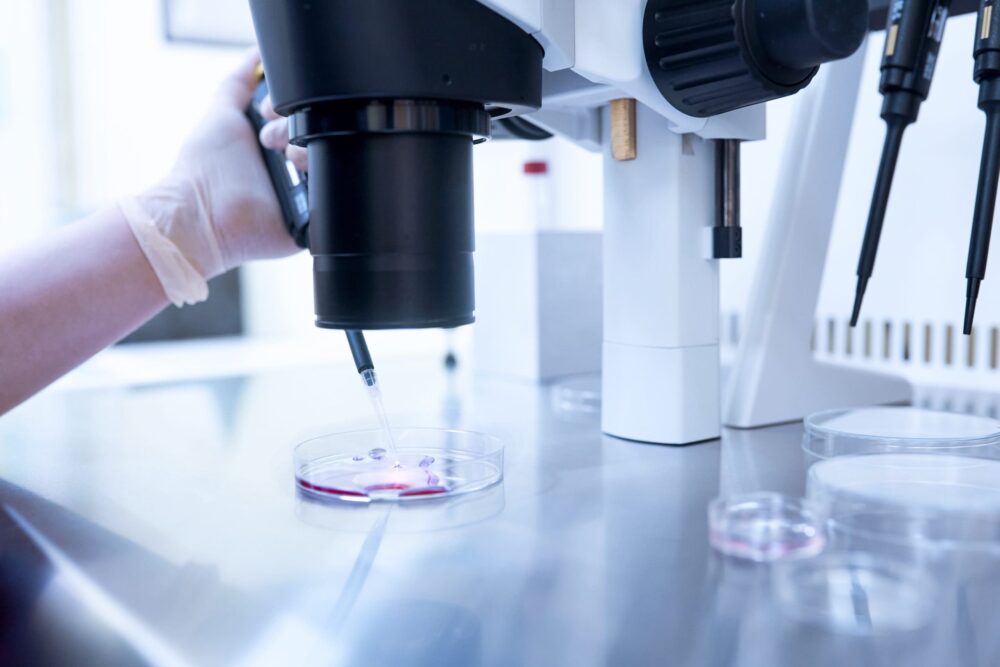
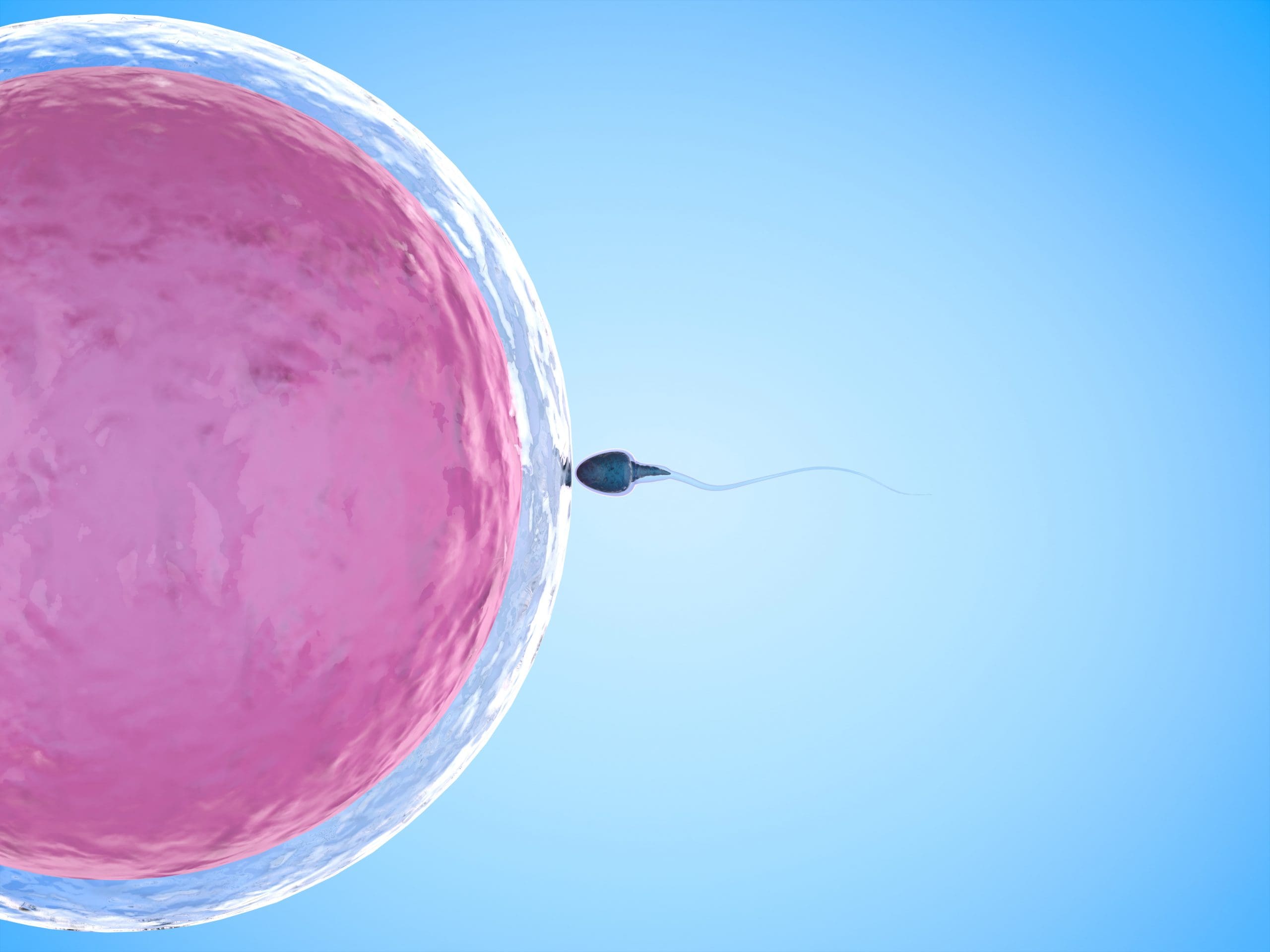
IVF stands for In Vitro Fertilisation. In lay-man's terms this is known as the "Test Tube Baby" technique. It requires the removal of the woman's eggs from her ovaries under sedation. They are then fertilised in our laboratory with her partner's prepared sperm. The HFEA guidelines regarding the number of embryos to be transferred states that only two eggs or embryos should be replaced in women under the age of 40, regardless of the procedure used. However, in certain circumstances, women over the age of 40 may receive a maximum of three eggs or embryos in any one cycle. Embryos are usually replaced between two (2) and six (6) days following egg collection.


OST / G-Test


The OST test is the initial infertility investigation performed by CRGH when considering IVF treatment.
This test takes place on Day 3 and Day 4 of the period and involves a vaginal scan, a blood test, stimulating injection and then a repeat blood test the following day to ascertain favourable hormone changes as a result.

The OST test is used:-
  • clinically as a guide for determining the optimal dose of fertility drugs for women undergoing IVF treatment
  • to predict the exact dosage for each individual patient
  • to identify excessive responders and therefore reduce the risk of hyperstimulation
  • to identify poor responders and therefore reduce cancellation rate
  • for women with a sub-optimal result it is important for them to know that they are not necessarily infertile, however adjustments may have to be made to their ovarian stimulation regime to compensate for a diminished ovarian reserve
  • as a prognostic factor for the treatment of subfertile couples
We consider that this test is indicated for all infertile women and for those with a family history of early menopause. It is not however intended to be used as a guide when deciding whether or not to delay starting a family for women over the age of 35 years. There is a natural decline of fertility in women and even with a normal OST/G-Test result we strongly recommend starting a family sooner rather than later.

Dummy Embryo Transfer &/or HyCoSy


The Dummy Embryo Transfer and HyCoSy are usually performed between days 9-12 of the down-regulation period. This is to ensure that the optimal uterine environment is available for the day the precious embryos are replaced.

If any concerns are identified during these procedures the doctor may advise the following:-
back to top^

Stimulation of the Ovaries


Stimulation commences during the second menstrual cycle and involves the self-administration of subcutaneous injections.

A vaginal scan is performed at the start of the period to ensure that treatment is able to proceed.

The nursing staff will give detailed instruction and direction at this stage to ensure patients are aware of the requirements of their prescribed protocol.

Different drug regimes are used to stimulate ovulation. The doctor treating you will explain which regime would be most appropriate, this decision being dependent on various factors, including your age and hormonal status.

With ovarian stimulation more eggs are usually produced simultaneously and more control can be achieved of the hormonal environment in which the eggs are growing, hence, a higher pregnancy rate can be hoped for. A leaflet detailing your drug regime will be given to you prior to the start of your treatment cycle.

Your husband/partner is welcome in the Unit at all times and should he wish to be more actively involved it is possible for him to learn to give the injections described above.


Assessing the Growth of Eggs

Each egg grows in a small-balloon like fluid-filled 'follicle' in the ovary. With adequate drug stimulation the follicle will gradually increase in size until it achieves maturity.

The growth is monitored by regular vaginal ultrasound scanning. The procedure is painless and the size of the follicle can be closely monitored. You will usually require four or five scans during a treatment cycle.

Whilst maturing, follicles produce a hormone called Oestradiol. A certain number of patients will require a blood test for Oestradiol monitoring during stimulation to assess their hormonal response to treatment.

Timing of Egg Collection

When the ultrasound scan shows that the follicles have reached maturity (i.e 18mm or more in size) a final subcutaneous injection of Profasi/Pregnyl (human Chorionic Gonadotrophin - hCG) is given.

This mimics the natural process and triggers ovulation. The injection is also helpful in achieving the final stages of egg maturity. Ovulation is usually expected to happen thirty seven to forty hours after the injection has been given and the egg collection is therefore planned around that time, before the follicles burst.


Egg Collection Procedure

In order to achieve fertilisation in vitro, eggs and sperm need to be made available. Vaginal egg collection is performed under sedation for the majority of patients undergoing in vitro fertilisation.

The eggs are collected under ultrasound control by inserting a needle through the vagina and into the ovary where the follicles are present. The contents of the follicle are extracted and examined under the microscope to see if an egg is present. This procedure is done on an outpatient day care basis.

back to top^


Sperm Collection

Before you are taken to theatre for the egg collection your partner is asked to produce a semen sample by masturbation. This sample is carefully assessed and if it is found to be suitable the sperms are diluted and washed in preparation for fertilisation. Occasionally the semen sample may not be adequate and your partner may be asked to produce another one.


Fertilisation and Embryo Transfer


Fertilisation

After the egg collection, the eggs and the sperm are cultured overnight in an incubator. The day after egg collection the cultured eggs are inspected microscopically to check for fertilisation.

Within the twenty four hours after fertilisation has occurred the embryo will divide into two or four cells. Any embryos continue to be cultured in the laboratory in an appropriate medium until the time of embryo transfer.

Failed Fertilisation

Failed fertilisation can occur for a number of reasons, including when there is a sperm problem, i.e. poor movement, low count. Occasionally the eggs may fail to fertilise when the sperm and eggs appear normal.

Embryo Transfer

Embryo transfer can occur between two and six days after egg collection.

Embryo transfer is performed through the neck of the womb. A catheter is passed through the cervix and the embryo/s are then loaded into a fine plastic tube together with a minute drop of culture fluid and is deposited in the womb. 

The procedure is quick and painless and does not require an anaesthetic. You will not need to be sedated and may leave the unit after a rest period of twenty minutes.

back to top^


Number of Embryos


The number of embryos to be transferred must take into account the following:
  • Guidelines laid down by the Human Fertilisation and Embryology Authority (HFEA);
  • Relative risk of multiple pregnancy in each individual patient.
HFEA guidelines state that women under 40 may only have up to 2 embryos transferred per treatment cycle regardless of the type of treatment.   Women over 40 with exceptional circumstances, where the risk of a multiple pregnancy is deemd very low, may have up to 3 embryos transferred.  Certain treatment types are precluded from transferring 3 embryos such as those using donor sperm or eggs and those whereby a specific type of genetic screening of the embryos has taken place (PGS).
 
The chance of a multiple pregnancy occuring varies according to many factors such as maternal age, embryo quality, medical history and previous treatment outcome but most importantly the number of embryos transferred.  All patients should consider the risks a multiple pregnancy carries such as risk of blood pressure problems, poor growth rate of the fetus, increased incidence of operative delivery or premature birth and subsequent impact on the survival and health of the babies.
 
These risks and the likelihood of  a multiple pregnancy will be discussed at length prior to the embryo transfer taking into account the patient's own circumstances and sufficient time will be given for the patient to consider all the implications before reaching a decision.
 
Certain patients whose risk of a multiple pregnancy is estimated to be very high may be recommended for elective single embryo transfer (eSET) to reduce the chance of a multiple pregnancy.   These most commonly are patients who fit the criteria below, however certain aspects of their individual medical history may alter our recommendation and some patients who do not fit all these criteria may also be suited to eSET.  Any patient, regardless of their medical history, can opt to have only one embryo transferred should they wish to do so.
  • patients aged 37 and under;
  • patients undergoing their first IVF or IVF/ICSI treatment cycle;
  • patients with 2 good quality blastocysts formed on day 5;
  • patients who have had a previous successful treatment.

After Embryo Transfer

Understandably, a large proportion of women are nervous after the embryo transfer and they are usually worried as to what they can or cannot do.

We recommend that patients take two to three days off work at this stage. Several studies have shown that the rate of implantation is not influenced by physical activity so there is no need to be confined to bed. The only advice we give is to avoid sexual intercourse, swimming and bathtubs until the outcome of the treatment is known. There are no other restrictions and most women may resume their normal activities.

Spare embryos of adequate quality can be frozen and stored to be replaced at a later date. Only good quality embryos will survive the freezing and thawing process.


Chances of Success

Pregnancy rate is greatly influenced by the cause of infertility, your age and whether you have been pregnant before. Our most recent statistics are displayed on this website.

back to top^


Hormonal Support and Pregnancy Testing

After your egg collection you will be given either a prescription for progesterone, as pessaries (Cyclogest) or by injection (Gestone).
The pessaries need to be inserted into your vagina twice a day until the urine pregnancy test which is performed sixteen days after embryo transfer.

If your test is positive please book to see the nurses for a blood test to confirm viable levels.

An ultrasound scan will usually be performed two weeks later to check that the pregnancy has implanted in the uterus and to check the number of gestational sacs.

Regular ultrasound scans will be carried out in the early part of your pregnancy to confirm viability and normal development. You will then be referred back to your General Practitioner who will arrange for you to be booked for antenatal care at your preferred or local hospital.

The miscarriage rate in a viable pregnancy, i.e. one which has demonstrated the presence of a fetal heart at about seven weeks gestation, is about 8%. This does not seem to be significantly higher than in spontaneous pregnancies.

There is no increased risk of congenital abnormalities in babies born from in vitro fertilisation; the risk is similar to that in natural conception. The chance of an ectopic pregnancy (a pregnancy implanting in the wrong place, usually in the fallopian tube), is about 2%. Such pregnancies are not viable and require an operation to remove them as they can be life-threatening if they rupture.

back to top^


Ovarian Hyperstimulation Syndrome

This is a rare complication resulting from IVF and is more often seen in patients with very sensitive ovaries, such as those who suffer from PCOS (Polycystic Ovarian Syndrome)

Symptoms may appear after the final HCG (Pregnyl) injection that include the following:-
  • Abdominal distention (swelling)
  • Diarrhoea
  • Shortness of breath
  • Nausea/Vomiting
  • Dehydration and poor urine output
In cases of ovarian hyperstimulation the small blood vessels in the multiple follicles, which are on the ovaries, leak fluid which is high in protein into the abdominal cavity. It is this leaking of fluid which gives rise to the abdominal bloating and distention and the other symptoms, namely nausea, vomiting, diarrhoea, etc.

The vast majority of cases of ovarian hyperstimulation are mild and the symptoms will resolve spontaneously. The only supportive treatment usually required is drinking plenty of fluids. Occasionally however a more severe form of hyperstimulation syndrome can occur and for this hospital admission may be required.


Abandoned Cycle

Sometimes (in about 6% of cases) it becomes necessary to abandon a treatment cycle. The main reasons for this are:
  • Failure to produce enough follicles. If only one or two follicles are produced or the rate of follicular growth is poor, then it may be preferable to cancel the cycle and start again at a later date with a modified drug regime.
  • sometimes, the Oestradiol level may be low and this would indicate that although follicular development is taking place, there is not enough of the hormone in your blood stream to ensure that the eggs develop healthily.
  • Ovarian hyperstimulation.
An appointment will be given for a follow up consultation to discuss further management.

back to top^
The Centre for Reproductive and Genetic Health (CRGH)
The New Wing - Eastman Dental Hospital
256 Gray's Inn Road - London WC1X 8LD
t: 020 7837 2905 w: www.crgh.co.uk